Top Signs You Need Professional Bee and Wasp Control at Home
A few insects around the yard are normal. A nest tucked under the eaves, a steady stream of wasps around the deck, or bees disappearing into a wall cavity is something else entirely. That is the point where a nuisance can become a safety issue, a property issue, or both.
Homeowners often wait too long because the first signs seem small. One or two wasps on a warm afternoon does not feel urgent. A faint buzzing behind siding sounds easy to ignore. Then a child gets stung near the back door, a pet paws at a nest under the shed, or a colony expands into a place that is much harder to access. Bee and wasp control is one of those problems that usually gets more complicated, not less, with time.
The challenge is that bees and wasps do not all behave the same way. Some species are relatively calm unless disturbed. Others defend territory aggressively, especially in late summer when food sources shift and nests are at their largest. The right response depends on where the insects are nesting, how active they are, who lives in the home, and whether the insects are actually bees, wasps, or hornets. Misidentification leads to a lot of bad decisions, especially when people try to treat a nest with store-bought spray from too far away, at the wrong time of day, or in the wrong location.
If you have been seeing more activity around your home and wondering whether it is time to bring in professional pest control, there are several signs that should move the issue from watchful waiting to action.
When normal insect activity stops being normal
Most homes see occasional pollinators in spring and summer. That by itself is not a red flag. The more important question is whether the insects are simply passing through the yard or using your home as a nesting site. Once they claim part of the structure, the risk changes.
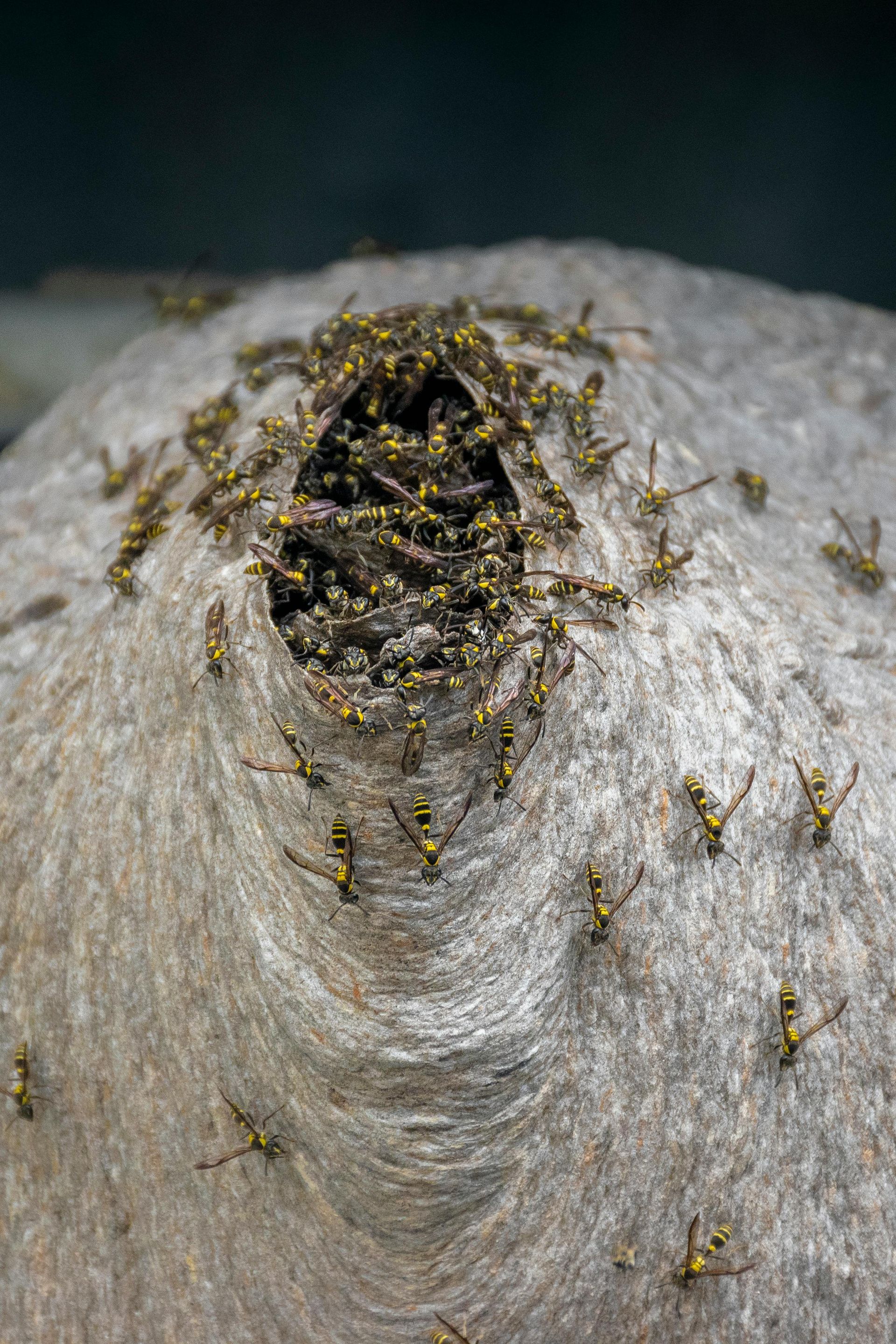
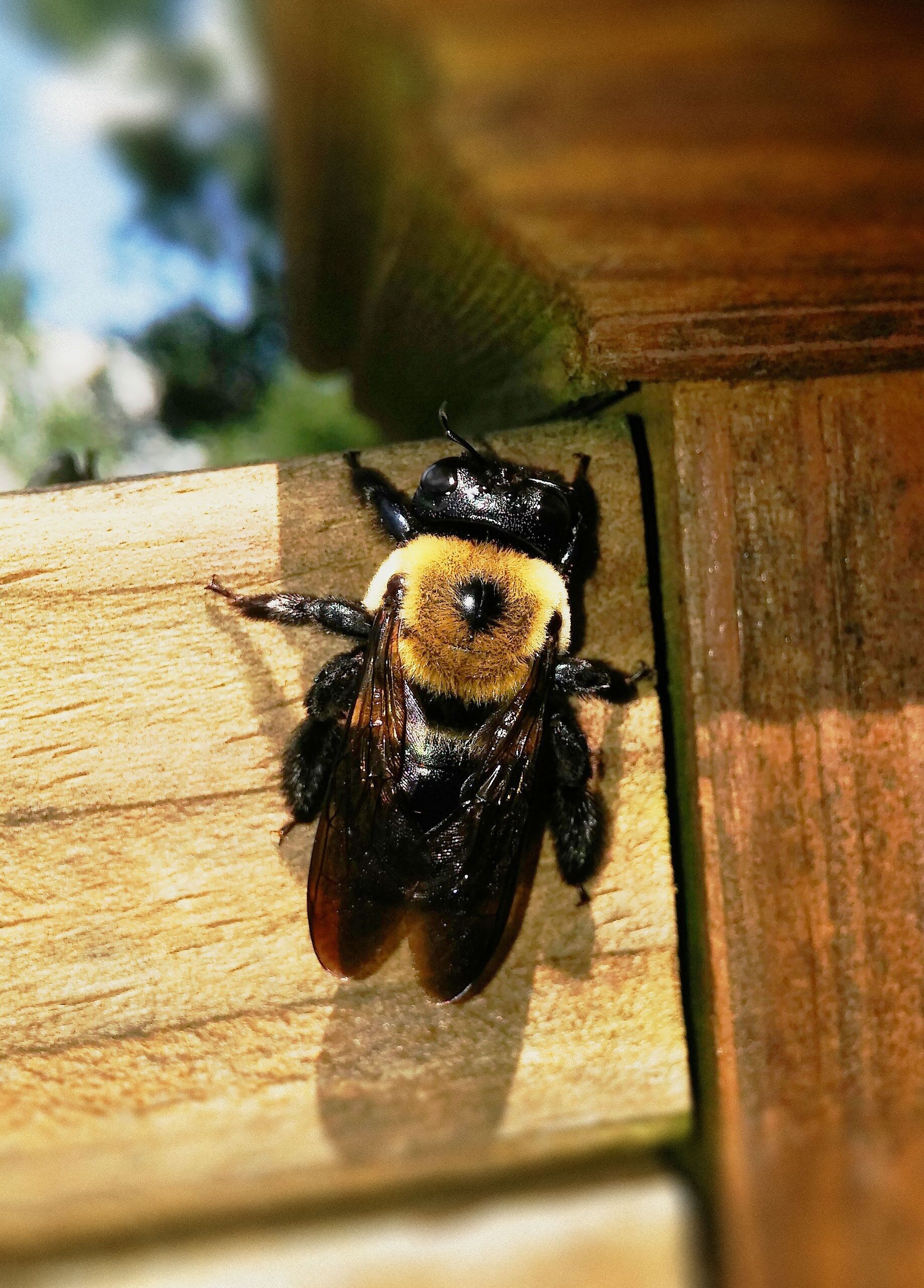
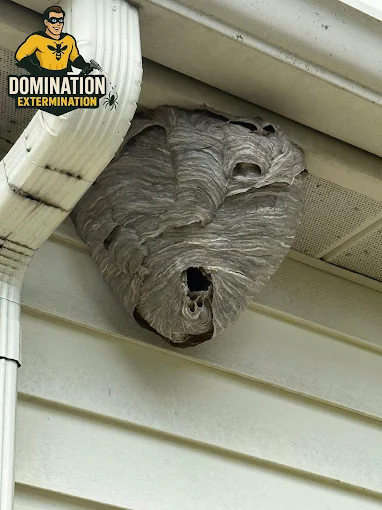
A single paper wasp under a porch overhang may become a visible nest in a matter of weeks. Yellowjackets often stay hidden longer, building nests underground, inside voids, or beneath steps where people do not notice them until they are already established. Bees can move into hollow spaces in soffits, chimneys, sheds, or wall voids, especially if there is a small gap that feels protected and dry.
What matters in practice is pattern. If you are seeing repeated traffic to one exact spot, hearing buzzing inside walls, or noticing insects becoming territorial around one area of the property, that is not random activity. It usually means the insects have settled in.
The clearest signs that professional bee and wasp control is needed
Some warning signs are easy to overlook because they do not look dramatic at first. Others are obvious but dangerous enough that you should not test them on your own.
- You see steady insect traffic entering and exiting one hole, vent, soffit gap, or section of siding.
- A nest is near a doorway, play area, deck, attic access point, mailbox, shed, or HVAC equipment.
- Someone in the home has a sting allergy, or there are children, older adults, or pets who use the area often.
- You hear a persistent buzzing in a wall, ceiling, crawl space, or chimney.
- The insects become defensive when people mow, walk by, open a door, or move patio furniture.
Each of these signs tells you something different. Visible traffic suggests a colony is active and organized. A nest near routine foot traffic raises the odds of accidental disturbance. Buzzing inside a wall or ceiling often means the nesting site is concealed, which makes do-it-yourself treatment much riskier. Defensive behavior is often the biggest clue that the colony is mature enough to protect itself aggressively.
Why hidden nests create bigger problems than visible ones
The nest you can see is often easier to evaluate than the one you cannot. An exposed paper nest under an eave is concerning, but it is straightforward compared with insects entering a gap in brick, fascia, or siding. Hidden nests are the ones that lead to repeat problems, because people may kill a few visible insects without reaching the colony itself.
Bees or wasps inside structural voids create a different set of concerns. First, treatment must account for where the insects will go when disturbed. If entry points are sealed too early, survivors may push deeper into the structure or emerge indoors. Second, some species leave behind material that causes secondary issues. Honey bees, for example, can leave wax and honey that attracts ants, rodents, or other pests if the cavity is not properly addressed after removal. That is where bee and wasp control overlaps with broader pest control concerns. One problem can feed another.
This is also why homeowners in places like Maple Shade often search for Bee and wasp control Maple Shade after noticing a seemingly minor issue around trim or roofing. In older neighborhoods especially, small gaps in fascia, soffits, and venting can become ideal entry points. A house does not have to be poorly maintained to develop this kind of problem. It just needs one accessible void and a stretch of warm weather.
Domination Extermination and the difference between identification and guesswork
One of the most useful things a professional brings is accurate identification before any treatment begins. Domination Extermination has seen the same basic story many times in residential work: a homeowner assumes everything striped and flying is a bee, buys the wrong product, sprays at the wrong time, and ends up with a more defensive colony in a harder-to-reach area. The correction often starts with slowing the process down and determining whether the insects are honey bees, bumble bees, paper wasps, yellowjackets, or hornets, because the management approach changes with the species and the nest location.
That kind of judgment matters more than most people realize. A visible aerial nest on a detached structure is not the same as yellowjackets nesting below grade near a walkway. A bee colony in a wall void raises concerns that have nothing to do with a simple exposed wasp nest. Professional bee and wasp control is less about spraying something quickly and more about reading behavior, understanding access points, and knowing what happens after the initial treatment.
Repeated stings or near misses are not a minor inconvenience
People often normalize close calls. Someone gets stung once while trimming hedges, then again a week later near the hose bib, and the family starts using another door. That is adaptation, not resolution. If you are changing how you use your own property because of stinging insects, the problem has already crossed into professional territory.
The health side is obvious for anyone with a known allergy, but even without one, multiple stings can be serious. Pets are especially vulnerable because they investigate nests with their noses and paws. Children are unpredictable around outdoor spaces. Contractors, delivery workers, and guests will not know where the danger zones are. A colony near a path, porch, garage, or play area creates risk for people who have no reason to expect it.
Late summer tends to make behavior worse. Many wasp species become more aggressive as colonies peak and natural food sources shift. That is why a nest that seemed tolerable in June can feel unmanageable in August. The insects are more numerous, more active, and less forgiving of disturbance. By then, a basic DIY attempt can turn one bad afternoon into several.
Structural clues that point to an active nest
Not every sign is insect-related. Sometimes the structure itself gives the first hint.
Staining near a small opening, bits of chewed wood fiber, a fine stream of insects using one section of trim, or fresh soil movement around an underground cavity can all point to nesting activity. Homeowners also report hearing irregular buzzing in the same wall section during warm midday hours, then not hearing much at night. That pattern fits active colonies that respond to temperature and daylight.
There is also the indirect evidence. If you suddenly see more ants, spiders, or scavenging insects around a section of the home, something may be attracting them. A hidden colony can change the small ecology around a structure. Spider control and ant control are often discussed as separate services, but experienced technicians know these pest patterns can connect. One established insect source often leads to another predator or scavenger showing up nearby.
Termite control, rodent control, and bed bug control may sound unrelated to bees and wasps, but from a homeowner's perspective they all share one truth: pests exploit access, shelter, and routine human delay. The sooner the pattern is recognized, the simpler the correction tends to be.
When DIY stops being practical
There is nothing wrong with basic caution and observation. There is a lot wrong with underestimating a mature nest.
Store shelves are full of products labeled for wasps, hornets, and general pest control, but labels do not solve access issues, species differences, or safety concerns. A can may reach an exposed nest under ideal conditions, yet many real nests are inside wall cavities, rooflines, dense shrubs, crawl spaces, or underground voids. That means poor visibility, awkward body position, limited escape routes, and a higher chance of partial treatment.
The other problem is timing. Professionals usually evaluate activity levels, weather, temperature, and the safest treatment window. Homeowners often act when they first notice the problem, which is commonly midday, when insect activity is strongest. Even if the treatment knocks down pest control visible insects, the colony may survive. A half-solved nest is often more difficult than an untouched one because the remaining insects are disturbed and scattered.
There is also a simple threshold question: if you are not certain what species you are dealing with, where the nest begins and ends, or how to treat the site without driving insects into the house, that is already beyond a practical DIY scenario.
Domination Extermination on what homeowners miss most often
A common field observation from Domination Extermination is that homeowners focus on the insects they can see, not the route the insects are using. The route is usually the more valuable clue. When technicians watch flight patterns for even a few minutes, they often identify a primary entry point, a secondary gap, and the reason the colony chose that exact area. It may be warmth from sun exposure, shelter from wind, or a construction seam that opens just enough in summer.
In South Jersey neighborhoods, that matters because housing stock varies widely. Some homes have older siding details, detached garages, or additions with small transitions where insects can enter. A treatment that works on a freestanding paper nest does not translate automatically to a colony inside a soffit return or behind shutters. Domination Extermination tends to approach these calls less like a generic spray job and more like a site-specific correction, because repeat activity often depends on structure as much as insect pressure.
That practical distinction is the difference between temporary relief and a durable fix. If the colony is removed but the access point and attractants remain, another colony may arrive the next season. Good bee and wasp control is partly about the insects in front of you and partly about making the site less inviting afterward.
Seasonal patterns that make infestations harder to handle
Spring colonies are typically smaller. Queens establish nests, workers emerge, and activity ramps up gradually. By mid to late summer, many wasp colonies are large enough that homeowners notice a sharp jump in numbers over a short period. That is often when calls increase, because the insects are no longer isolated to one corner of the yard. They are around garbage cans, drink spills, grills, pet food, gardens, and entryways.
Autumn can be deceptive. Cooler temperatures may reduce visible activity on some days, leading people to assume the problem is fading. But during warm spells, established colonies can still be active and defensive. In some cases, delayed treatment means carrying the issue through the very months when homeowners are using outdoor spaces for gatherings, yard work, and seasonal cleanup.
Mosquito control follows a similar lesson. People often wait until pressure is obvious, but by then conditions have already supported breeding for weeks. The same delayed reaction shows up with bee and wasp control. Early recognition usually means fewer insects, simpler access, and lower risk during treatment.
What to do while you wait for a professional assessment
If you suspect an active nest, the first priority is reducing accidental disturbance. This is not complicated, but it does require discipline from everyone in the household.
- Keep children and pets away from the suspected nesting area.
- Do not block or seal the entry point yourself.
- Avoid mowing, trimming, pressure washing, or moving nearby objects until the site is assessed.
- Use a different door or path if the nest is near daily traffic.
- Skip DIY treatment if the nest is hidden, elevated, underground, or close to the home.
These steps are simple, but they prevent a lot of injuries. Sealing an opening is one of the most common mistakes. If insects are trapped inside a wall void or under siding, they may search aggressively for a new exit and emerge indoors. That turns an outdoor problem into an indoor one very quickly.
Why professional bee and wasp control often overlaps with broader home protection
Stinging insects rarely arrive in a vacuum. The conditions that support them can support other pests too. Standing water increases mosquito control concerns. Gaps in siding, vents, and rooflines that allow insects in may also matter for rodent control or spider control. Food sources that attract scavenging wasps can pull in ants as well. A home with one unresolved access issue often has two or three.
This does not mean every bee or wasp problem signals a larger infestation. It means a skilled inspection looks beyond the obvious. If a technician notices moisture damage, loose trim, decaying wood, or voids around penetrations, those details matter. The goal is not just to react to the insects of the day. It is to understand why the site worked for them in the first place.
That wider view is where professional pest control earns its keep. An experienced eye can separate a one-off nest from a recurring structural vulnerability. The difference saves time, repeat treatments, and avoidable frustration.
The households that should never wait
Some situations should move straight to professional evaluation, even if the nest seems small. A family with a known sting allergy should not gamble on tolerance. Neither should anyone who has had severe swelling, breathing issues, or multiple stings in the past. Homes with toddlers, dogs, or frequent outdoor activity deserve a lower threshold for action because accidental disturbance is so common.
Rental properties and multi-family homes also call for faster judgment. The more people using the space, the less control you have over who approaches the area and how carefully they move. The same goes for homes where service workers regularly access meters, trash areas, crawl spaces, or utility lines. You may know where the insects are. They do not.
There is also a practical issue with underground nests. Yellowjackets nesting in the ground are particularly easy to trigger by accident. A lawn mower wheel, edging tool, or even repeated foot traffic can set off a defensive response before anyone knows a nest is there. That kind of colony is one of the clearest cases for professional bee and wasp control.
Domination Extermination in real home scenarios
Domination Extermination often encounters cases where the first complaint sounds minor: a few wasps near the side door, occasional buzzing by the meter, bees around a second-story vent. On inspection, the real issue turns out to be a concealed nest or a route that channels insects through a highly used area of the property. That is why surface impressions can be misleading. What looks like a small nuisance from the patio can be a mature colony using a gap no wider than a pencil.
In those situations, the valuable part of the work is not drama, it is method. Observe traffic. Identify species. Map the entry point. Consider the structure. Treat at the right time. Reassess the site after activity drops. That process sounds simple, but it is exactly what homeowners tend to skip when they are understandably focused on making the insects disappear fast. The result is often a safer, cleaner resolution and fewer repeat surprises a month later.
A home should not have no-go zones
The most reliable sign that you need professional help is this: part of your property has become a place you avoid. Maybe it is the grill area, the garage side door, the attic hatch, the flower bed beside the mailbox, or the corner of the yard near the shed. Once a nest changes how you use the home, the issue is no longer minor.
Bee and wasp control is not just about eliminating insects. It is about restoring normal use of the property without forcing people to guess where the danger is. The earlier a nest is identified and handled correctly, the less chance it has to expand, spread into structural voids, or create a chain of related pest issues. That is as true for a single visible nest as it is for hidden activity that only shows up as buzzing in a wall or repeated traffic under the eaves.
For homeowners in Maple Shade and similar neighborhoods, the lesson is straightforward. Pay attention to patterns, not isolated sightings. Watch for repeated flight paths, defensive behavior, hidden buzzing, and nests near the places people actually live and move. Those are the signs that separate ordinary seasonal insect activity from a problem that deserves professional bee and wasp control.
Domination Extermination
10 Westwood Dr, Mantua Township, NJ 08051
(856) 633-0304